Picture yourself paddling across calm water, then suddenly your kayak tips. You’re in the water now, and what you’ve done to prepare matters.
Most drowning victims weren’t wearing life jackets, so that’s your first line of defense. But staying safe goes beyond one piece of equipment.
You’ll need to understand weather patterns, know your limits, and master rescue techniques.
Why You Need a Life Jacket Every Kayak Trip
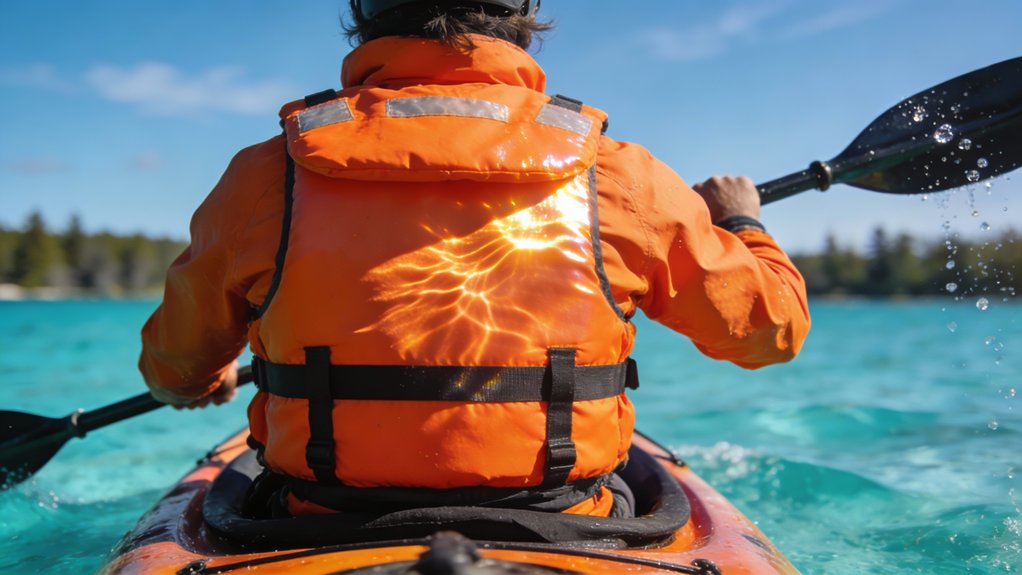
A life jacket isn’t optional gear, it’s your most reliable defense against drowning.
You’ll find that 84% of boating drowning victims weren’t wearing one. Different life jacket types suit different paddling conditions, so choose accordingly.
84% of boating drowning victims weren’t wearing a life jacket. Choose the right type for your paddling conditions.
Most areas enforce safety regulations requiring you to wear one; it’s the law, not a suggestion.
You’re protected when unexpected capsizing or weather changes happen suddenly.
A properly fitted jacket won’t restrict your movement; it’ll actually enhance your comfort and mobility on the water.
You’re making smart choices by prioritizing this fundamental safety measure on every single trip.
Check Kayak Conditions: Weather and Water Safety
Before you push your kayak into the water, check the weather forecast and water conditions. You’re responsible for your own safety out there.
- Monitor weather forecasts for temperature, wind speed, and storm warnings before launching.
- Measure water temperature: if it’s below 60°F, wear a wetsuit or protective clothing to prevent hypothermia.
- Check wind speeds and water levels to avoid choppy, dangerous conditions.
Always wear a life vest for kayaking designed for snug fit and full range of motion to ensure your safety on the water.
Stay flexible with your plans. If conditions worsen while you’re out, head back to shore immediately.
Sudden weather changes happen fast on open water. You’ve got the freedom to kayak, but that freedom depends on making smart decisions beforehand.
Tell Someone Your Kayak Route and Return Time
Tell Someone Your Kayak Route and Return Time
When you’re heading out on the water, someone on shore needs to know where you’re going and when you’ll be back. Share your specific route planning details with a trusted friend or family member.
Tell them which waterway you’re paddling, notable landmarks you’ll pass, and any hazards you might encounter.
Set a clear return time, accounting for weather delays or unexpected circumstances.
Provide your emergency contacts and agree on a check-in point. If you don’t return on schedule, they’ll know to alert authorities.
This simple communication keeps you accountable and guarantees rapid help reaches you if something goes wrong.
Match Your Skills to Water Conditions and Currents
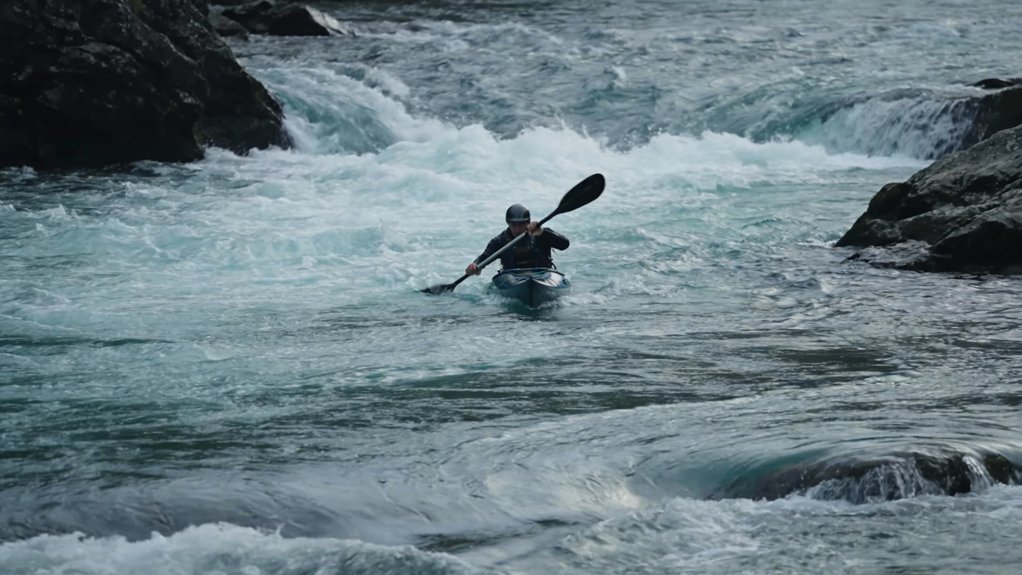
One of the biggest mistakes paddlers make is taking on water that’s beyond their ability. Your skill assessment determines where you can safely paddle.
The biggest paddling mistake: attempting water beyond your skill level. Honest self-assessment determines safe paddling zones.
Before heading out, honestly evaluate your experience level and match it to conditions.
Consider these key factors:
- Start on calm lakes if you’re a beginner; avoid coastal areas with strong currents.
- Learn local tides and currents before attempting river navigation in moving water.
- Practice rescue techniques in controlled settings before tackling challenging routes.
- Master paddling basics and foundational techniques before advancing to more difficult water conditions.
Underestimating currents kills paddlers. Plan trips around expected water conditions.
Strong currents and rough waves demand experienced hands. Respect your limits, and you’ll paddle freely for years.
Build Confidence by Staying Close to Shore
Now that you’ve matched your skills to water conditions, it’s time to build real confidence through smart positioning. Staying near the shoreline gives you freedom to explore safely.
You’ll escape sudden weather changes quickly and navigate with better visibility. Close-range shoreline navigation lets you spot hazards like submerged rocks easily. Equipment failures won’t trap you far from land.
Calmer waters near shore reduce wind and wave stress. Your environmental awareness grows naturally when you’re paying attention to nearby details.
You control your pace, your route, and your risk level. This approach builds genuine confidence without unnecessary exposure.
Master Essential Kayak Rescue Techniques for Emergencies
Capsizing happens to every paddler eventually, and that’s exactly why you need to practice rescue techniques before you actually need them.
You’ll gain freedom and confidence knowing you can handle water emergencies independently.
Master these essential skills:
- T Rescue practice, flip your kayak upright using your paddle for stability while re-entering from the side
- Wet Exit, release your spray skirt and exit smoothly underwater to prevent panic
- Self-Rescue, use paddle bracing to pull yourself back aboard without capsizing again
Train with fellow paddlers regularly.
Group rescues mean multiple kayakers assist during emergencies.
You’ll recover quickly and stay safe.